A short history of American political satire, from pamphlets to newsletters
Americans have been mocking the people in charge since before there was a country to be in charge of.
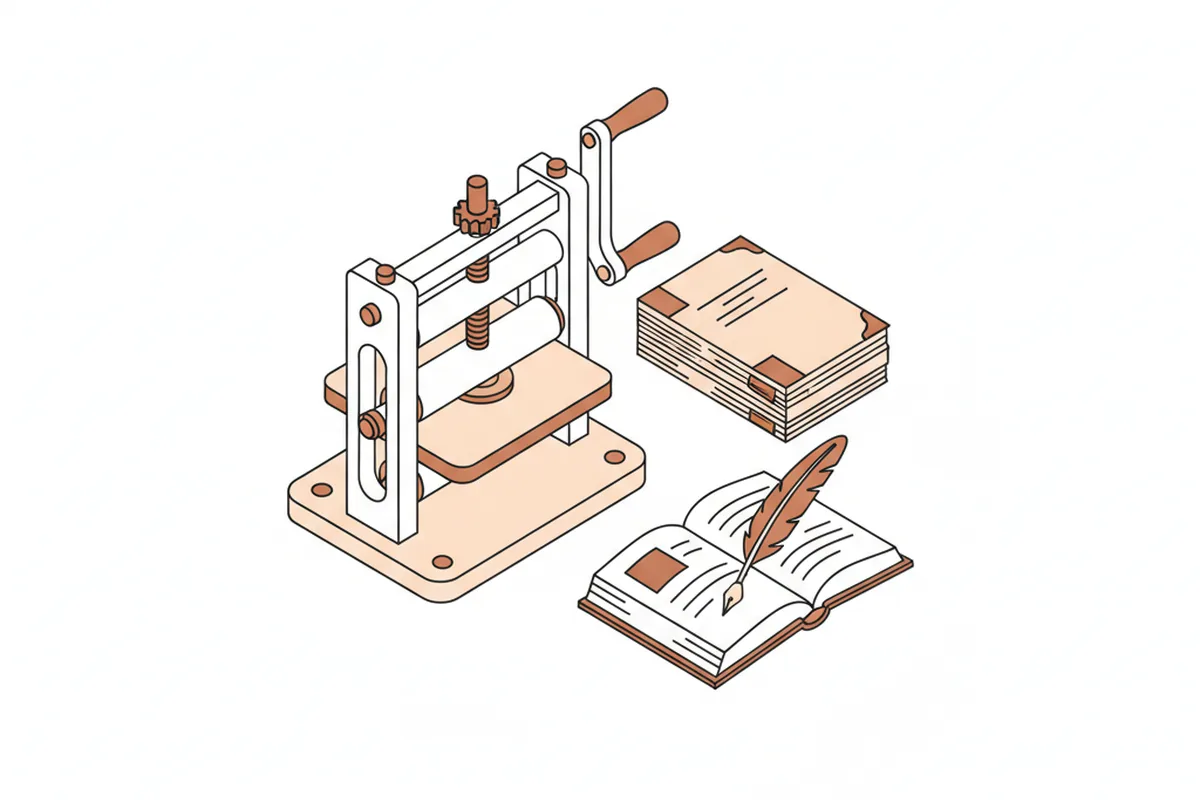
Political satire in America is older than the Constitution. Long before television hosts and newsletters, colonial printers were using fake letters, invented almanacs and absurd proposals to make a point about the people in power.
Pamphlets and almanacs
Benjamin Franklin was one of the country's earliest satirists. Writing as “Silence Dogood,” a fictional widow, he poked at Boston's elites in his brother's newspaper while still a teenager. Later, as “Poor Richard,” he used an almanac to slip jokes and social commentary into one of the most widely read books in the colonies.
The format mattered. Almanacs and pamphlets were cheap, portable and passed hand to hand. The joke traveled with the reader.
Cartoons and the Gilded Age
In the nineteenth century, the political cartoon became the dominant form. Thomas Nast's drawings in Harper's Weekly helped bring down William “Boss” Tweed, who reportedly complained that his supporters could not read but could certainly look at pictures. Nast also popularized the donkey and the elephant as party symbols.
Columnists and broadcast
The twentieth century added newspaper humorists such as Will Rogers and H. L. Mencken, then radio and television. Sketch shows turned impressions of presidents into a national ritual, and by the end of the century fake news broadcasts had become a real source of political information for younger viewers.
The internet and the newsletter
The web made satire faster and much easier to strip of its context. A headline written as a joke can now reach millions of people without the page that explains it is a joke. That is one reason modern satire outlets are careful to label their work.
Newsletters are, in a way, a return to the pamphlet. A writer sends short pieces directly to readers who chose to receive them. The audience knows what it signed up for, and the joke arrives with its label still attached.
What stays the same
The targets change. The tools change. The core move does not. Satire takes something the powerful are already doing and follows it one step further than they would admit to, until the logic is visible to everyone.