Daily Mail owner DMGT joins the SPUR coalition setting AI rules for news
DMGT joined the board of SPUR, a publisher coalition writing standards for how AI uses news. What its telemetry standard tracks and what it means.
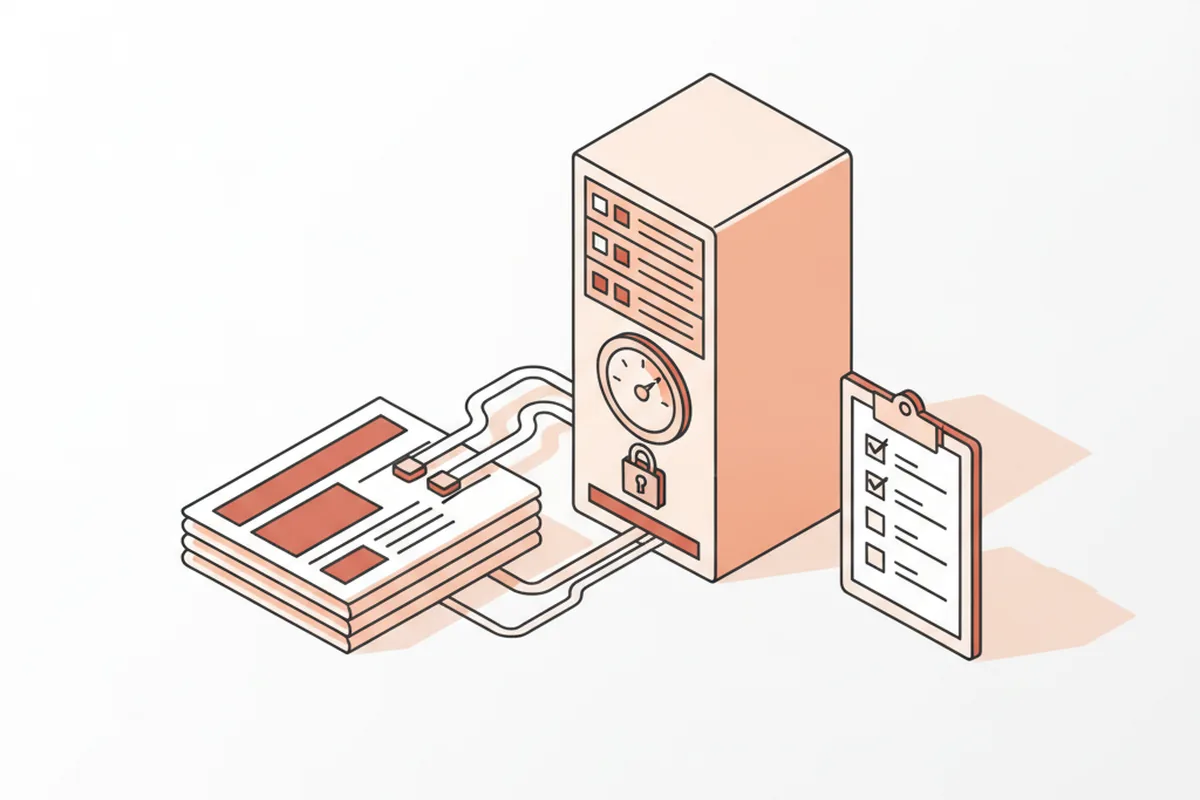
DMGT, the company that owns the Daily Mail, Metro, The i Paper and New Scientist, has joined the board of the SPUR Coalition, a publisher group that wants common rules for how AI companies use news content. Press Gazette and journalism.co.uk both reported the move on November 17.
SPUR stands for Standards for Publisher Usage Rights. DMGT takes a board seat next to the BBC, the Financial Times, Guardian Media Group, Mediahuis, Sky News, Telegraph Media Group and the Associated Press. Press Gazette puts the wider coalition at more than 80 publishers.
The coalition is not filing lawsuits. It is writing technical standards: a way for publishers to say how their work may be used and to check what AI systems actually do with it. Large newsrooms will wire that into their own systems, often through media and entertainment software development. Smaller outlets will mostly rely on whatever their publishing platform adds.
What is the SPUR Coalition trying to do?
SPUR wants publishers to be able to set terms for AI use and then prove whether those terms were followed. Its founder, David Buttle, described the goal to Press Gazette as "ways for publishers to state how their content may be used, to see how it is actually used, and to show when those instructions are ignored."
DMGT's reason for joining is scale. Owen Meredith, the company's managing director of public policy, told both outlets that the threat from AI companies "scraping publisher's content without consent or transparency is one that no news organisation can combat alone." DMGT says its consumer brands reach about 90 million readers a month.
What does the Content Telemetry Standard measure?
The Content Telemetry Standard gives AI companies one shared format for reporting back how they used a publisher's content. It is the coalition's first concrete output: version 1.0 came out in early October, as journalism.co.uk reported at the time. SPUR's own summary lists five events an AI system would log:
- Retrieved: the system fetched the article.
- Grounded: it used the article as evidence for an answer.
- Cited: the answer named the article as a source.
- Presented: the content was shown to a user.
- Engaged: a user interacted with it on an AI or third-party platform.
SPUR calls the standard open source. The responsibility to implement it sits with AI developers, and the coalition says it is building tools to make adoption easier.
Why does usage tracking matter to publishers?
Usage tracking matters because licensing deals need numbers. Without a shared format, a publisher that signs with an AI company has to rely on that company's account of how often its work appears in answers. A shared report format would let publishers compare partners and check whether usage changes after a deal is signed. SPUR presents the standard as groundwork for exactly that kind of licensing.
It also connects to a worry raised in NPR's new app-first plan earlier this week: AI summaries that answer the question and never send the reader to the source. If the "cited" and "engaged" events are reported honestly, publishers can at least see how wide that gap is.
What can independent newsletters do now?
A standard is only useful once AI companies adopt it, and that has not happened yet. Small publishers can still prepare:
- Write down your AI policy. Decide which uses you allow (search, summaries, training) and publish it, the way you publish editorial standards.
- Check what your platform offers. On hosted newsletter services, crawler settings and server logs are often in the platform's hands. Our guide on choosing a paid newsletter platform covers what you keep if you leave.
- Keep your own records. Note where your pieces show up in AI answers. It is rough evidence, but it is yours.
- Watch the coalition. SPUR's updates page is the place to see whether any AI company signs on.
For readers, nothing changes yet. Checking the original source is still the best habit, and it is also where telling satire from fake news begins.
Sources for this report
- Press Gazette: Daily Mail joins coalition of publishers taking on AI news scrapers (Nov. 17, 2026)
- journalism.co.uk: DMGT joins SPUR Coalition board (Nov. 17, 2026)
- journalism.co.uk: SPUR Coalition unveils new Content Telemetry Standard (Oct. 2, 2026)
- SPUR Coalition: Content Telemetry Standard v.1 published