What political satire is for (and what it is not)
Satire does not change votes very often. It does something more useful: it makes spin visible.
People sometimes ask whether political satire actually changes anything. The honest answer is that it rarely changes how someone votes. That was never its strongest job.
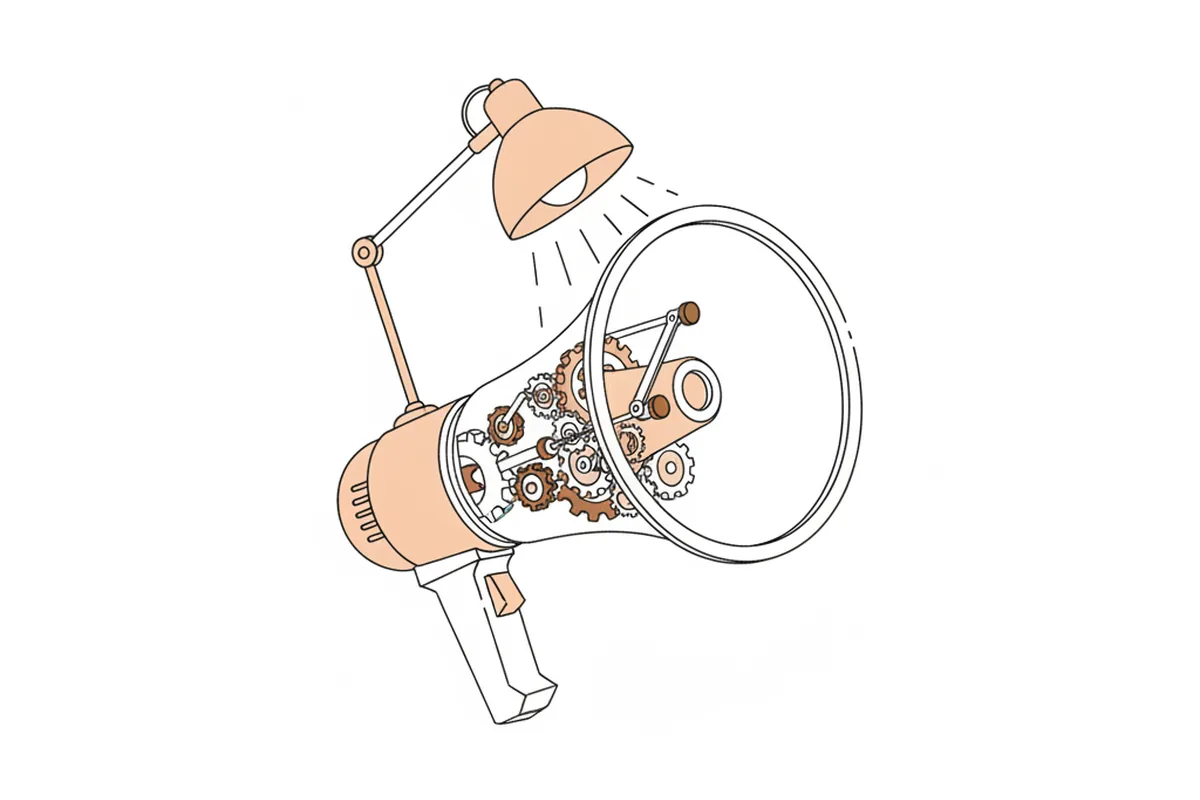
It makes the machinery visible
Politics runs on framing: talking points, memos, careful non-answers. Most of it is designed to be invisible. Satire takes those techniques and turns the volume up until you can hear them.
When we write about a party telling staff to pretend a debate never happened, we are not reporting a real memo. We are describing a real instinct, the instinct to manage a story instead of answering it, in a way that makes it easier to notice the next time it appears in real life.
It lowers the temperature
Laughing at politics is different from hating the people in it. A good joke invites the reader to step back for a moment and look at the absurdity from a distance. That distance is rare in a news cycle built on outrage.
It is not reporting
Satire is not a substitute for journalism. It depends on journalism. Every joke we write starts from something real that someone else reported carefully. If you want to know what actually happened, read the reporters. If you want to see what it looks like with the lights on, read the satirists.
It should be fair to the reader
The one obligation satire has is to make sure readers can tell it is satire. That is why we label every article, and why we ask readers to share links rather than screenshots.
Why we keep doing it
Because it is useful to have a place where the news is allowed to be ridiculous on purpose. Most weeks, reality does the hard part. We just finish the sentence.